
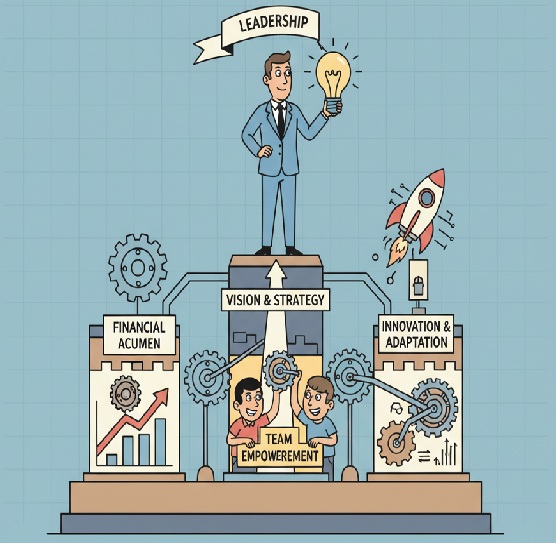
In today’s rapidly evolving business landscape, executives are navigating a complex web of challenges—from digital transformation and market volatility to workforce expectations and regulatory pressures. To support them effectively, professionals across organizations must not only perform their roles well but also understand the deeper insights that drive executive decision-making. This understanding forms the foundation of what we can call the Executive Success Blueprint.
1. Strategic Vision is Non-Negotiable
Executives are expected to see beyond the immediate—anticipating market shifts, technological disruptions, and competitor moves. Professionals who understand their leader’s strategic priorities can align their work to contribute meaningfully. This doesn’t just mean executing tasks efficiently; it means understanding why those tasks matter in the bigger picture.
2. Data-Driven Decision-Making
Today’s executives rely heavily on data to inform decisions. But raw numbers aren’t enough. They expect teams to provide insights, interpretations, and actionable recommendations. Understanding metrics, trends, and their implications allows you to anticipate questions and offer solutions, positioning yourself as a trusted advisor rather than just a task executor.
3. Agility in the Face of Change
Business environments are volatile. Executives value individuals who can adapt quickly to shifting priorities without losing focus on outcomes. Agility also involves proactively identifying risks and opportunities, demonstrating a capacity to respond with creativity and resilience. Those who anticipate change rather than react to it are often the ones who gain executive trust.
4. Effective Communication is Key
Communication is not just about clarity; it’s about context, timing, and impact. Executives expect concise updates, structured arguments, and clear recommendations. They appreciate team members who can synthesize complex information, anticipate questions, and provide solutions that save time and reduce friction.
5. Emotional Intelligence Matters
Executives are human—they value relationships, trust, and empathy. Understanding the emotional undercurrents in decision-making can make a significant difference in how your contributions are received. Demonstrating empathy, active listening, and influence without authority helps you navigate complex organizational dynamics and build credibility.
6. Execution with Ownership
Ideas are only as valuable as their implementation. Executives respect those who take ownership, follow through, and deliver results consistently. Anticipating needs, prioritizing work, and taking responsibility for outcomes—even when challenges arise—signals reliability and competence.
7. Alignment with Organizational Culture
Finally, executives expect alignment with the organization’s core values, mission, and culture. Understanding the why behind the culture enables professionals to act consistently, build trust, and support strategic objectives beyond day-to-day tasks.
Putting It All Together
The Executive Success Blueprint is not a rigid formula but a mindset. It involves:
- Seeing the big picture—understanding strategic goals.
- Translating data into action—offering insights, not just numbers.
- Staying agile and resilient—anticipating change and responding proactively.
- Communicating effectively—being clear, concise, and solution-oriented.
- Exercising emotional intelligence—building trust and influencing positively.
- Delivering results with ownership—being dependable and accountable.
- Embodying organizational culture—aligning actions with values.
By embracing these principles, professionals can move beyond simple task execution to become indispensable partners in leadership success. Executives may lead, but their success—and by extension, the organization’s success—depends heavily on those who understand what truly matters to them. Mastering this blueprint not only enhances your professional impact but also positions you as a strategic ally who sees the world through the lens of leadership.